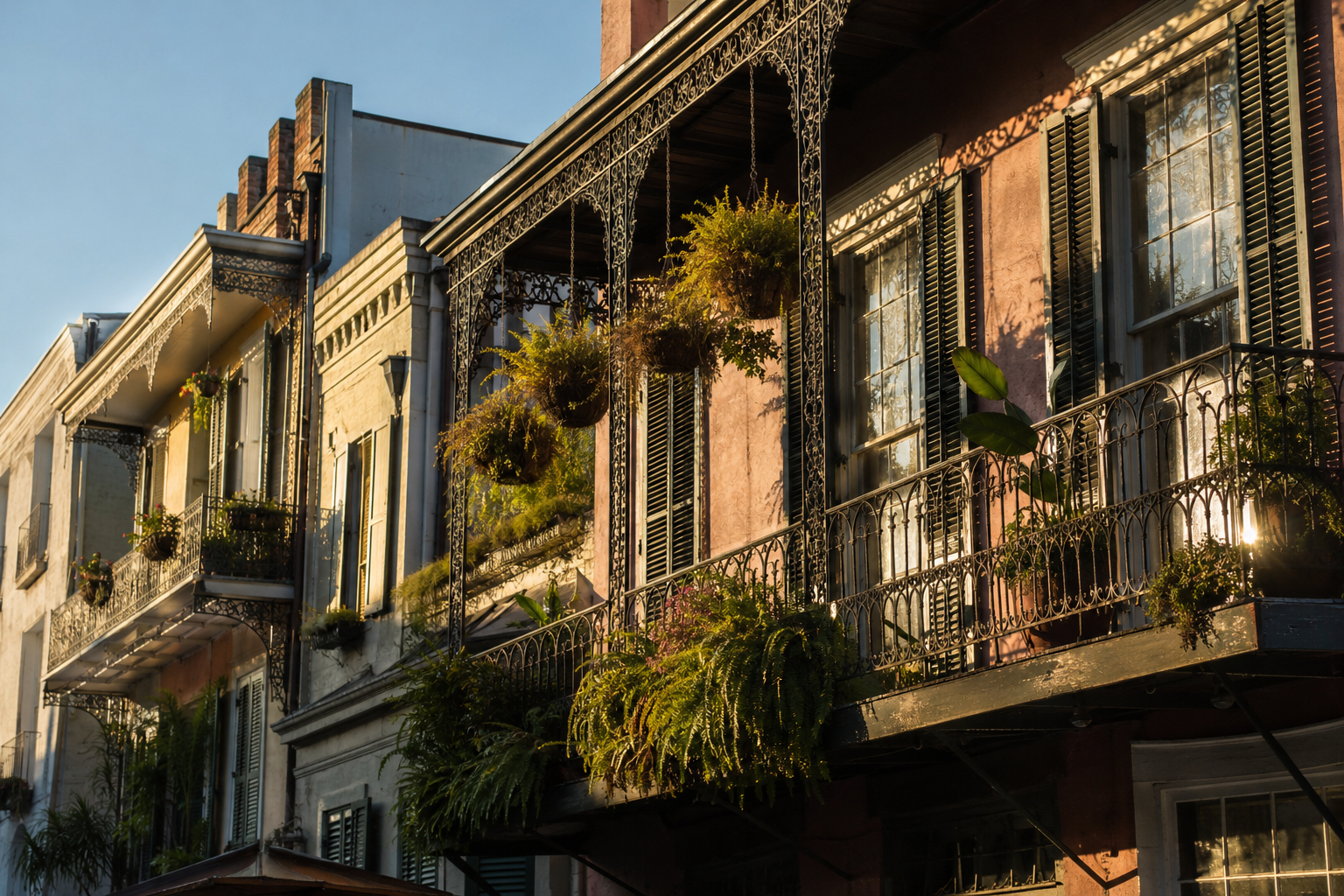
Walk through the French Quarter, the Garden District, or Uptown and you’ll notice something modern subdivisions can’t replicate: windows with real character. Wavy glass that catches the afternoon sun. Wood sashes that have opened and closed for a hundred years or more. Cypress frames with a patina no vinyl replacement will ever match.
That character comes with responsibility. Historic home window cleaning New Orleans homeowners can trust isn’t the same job as wiping down a modern double-pane window with any glass cleaner off the shelf. Old glass, old putty, and old wood all behave differently, and the wrong approach can turn a routine cleaning into an expensive repair.
This guide is for anyone who owns, manages, or is restoring a historic property in the New Orleans area and wants their windows to look their best without putting them at risk. We’ll cover what makes these windows different, the most common mistakes people make when cleaning them, and how to care for them the right way so they keep doing their job for decades to come.
What Makes Historic Windows Different
If your house was built before the mid-20th century, chances are good you’re looking at single pane windows rather than the sealed double or triple pane units found in newer construction. A single pane of glass has no insulating air gap and no protective coating, which means it’s more sensitive to temperature swings, impact, and aggressive cleaning tools.
Many historic New Orleans homes also still have their original glass. Old wavy or hand-blown glass has subtle ripples and imperfections that mass-produced modern glass simply doesn’t have. It’s fragile, it’s often irreplaceable in a way that matches the original look of the house, and it deserves to be treated like the architectural feature it is, not just a pane to be scrubbed.
Then there’s the frame itself. Wood windows and wooden windows throughout the city’s older neighborhoods are typically built from old-growth cypress or heart pine, both of which resist rot far better than modern lumber, but they still swell, warp, and rot over time, especially in a climate as humid as ours. The same is true of the sill, the jamb, and the vertical post that separates one sash from the next, plus the matching interior trim around each opening. Compare all of that to a vinyl or aluminum window frame, which won’t rot but also won’t last nearly as long or hold up half as well aesthetically on a historic facade. Original front doors and transoms are usually built from the same wood and deserve the same gentle care as the windows around them.
Finally, most old windows rely on glazing putty rather than a rubber gasket to hold the glass in the sash. That putty is a small strip of material doing a big job. It seals out water, keeps the pane secure, and protects the wood underneath, but it dries out, cracks, and eventually fails if it isn’t inspected and maintained.
Common Risks When Cleaning Historic Windows
Most damage to historic windows doesn’t happen from age. It happens from someone trying to clean them the same way they’d clean a modern window.
The biggest culprit is pressure. A pressure washer aimed at old glass or aging glazing putty can crack a pane in seconds or blast loose putty right out of the frame. Even a garden hose on a high setting can force water past failing glazing and into the wood behind it, which is exactly the kind of moisture intrusion that leads to rot down the line.
Chemicals are the second major risk. Ammonia-based glass cleaners, strong degreasers, and anything acidic can strip original paint, eat into old glazing putty, and dull antique glass. What works fine on a brand-new window can permanently damage a hundred-year-old one.
And then there’s the DIY power-washing habit so many homeowners fall into ahead of a party or a paint job. It feels efficient, but on a historic property it’s one of the fastest ways to void the very features you’re trying to protect. If you want a deeper look at how New Orleans humidity, salt air, and storm exposure affect a property’s exterior more broadly, our guide to exterior cleaning in New Orleans covers those risks in more detail.
Best Practices for Cleaning Older and Historic Windows
Cleaning historic windows properly comes down to using gentler tools, gentler products, and better timing than you would for a modern window.
Start with dusting. Before any liquid touches the glass or the sash, dust and loose debris should be brushed away with a soft-bristle brush or a dry microfiber cloth. Skipping this step means you’re dragging grit across old, softer glass and painted wood when you wipe it down, which can create fine scratches over time.
Pick the right day. Cleaning windows should be done on a cool, overcast day rather than in direct afternoon sun. Cold water hitting sun-warmed glass causes rapid temperature change, and that thermal shock is a real and common way old, already-stressed glass cracks. A little cloud cover or a morning cleaning window goes a long way.
Use the gentlest cleaning solution that works. A simple washing solution of warm water with a small amount of mild dish soap handles most grime just fine. For hard water spots or mineral buildup, a diluted white vinegar solution can help without the harsh chemical load of a commercial spray. Skip ammonia entirely. It can ruin historic paint and break down old glazing on contact, and there’s no reason to risk it when gentler options work just as well.
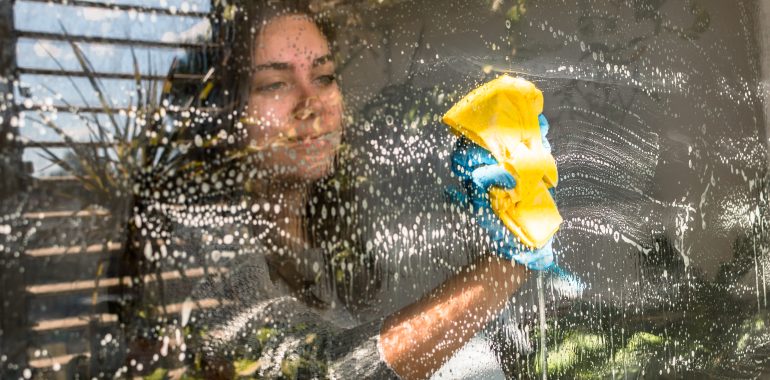
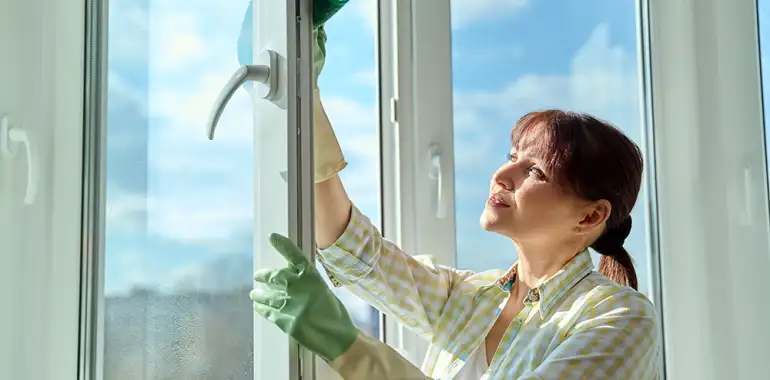
Apply it by hand. A soft cloth or sponge, a light touch, and a dry microfiber cloth or lint-free paper towel to finish are all you need for streak free results on old glass. High pressure washing can break old glass and crack aged wood, so pressure equipment has no place near single pane windows, original sash, or failing glazing putty. Any pressure washing on a historic property should be limited to masonry or hard-surface areas that can actually take it, never the windows themselves.
This is the approach our crew uses on the historic properties we service throughout Kenner and New Orleans: soft tools, gentle eco-friendly washing solutions through our Pure Water system, no pressure near old glass or glazing, and a careful eye for anything that looks like it needs more than a routine wash. We’re licensed and insured, and every job is backed by our 7-Day Clean Window Guarantee, whether it’s a century-old cottage or a brand new build.
For homeowners who want the official word on window preservation, the National Park Service’s Preservation Brief 9 on the repair of historic wooden windows is a genuinely useful reference for anything beyond routine cleaning, from paint problems to sash repair.
A Few Extra Tips for Historic Window Washing
A handful of smaller details separate a good historic window washing job from a great one.
Handle window screens separately. Old window screens are often original to the house and just as delicate as the sash they cover. Pop them out, lay them flat, and hand-wash them with the same mild solution you’re using on the glass rather than blasting them with a hose. It’s the easiest way to get rid of years of dust and pollen without bending the frame or tearing the mesh.
Don’t ignore the hardware. Sash locks, pulleys, hinges, and lifts are part of the historic character too. Wipe them down as you go, and if a piece of hardware is stiff, rusted, or missing, flag it. A window can be spotless and still not open properly if the hardware behind it has failed.
Deal with tree sap the careful way. New Orleans’ live oaks provide wonderful shade and a nice breeze on a hot afternoon, but they also drop sap and pollen straight onto the glass below. Never scrape it off with a metal blade or anything sharp. Soften it first with a warm, damp cloth, then lift it away gently. A single stray blade mark on old glass is permanent.
Plan for hard-to-access windows. Second-story sash, transoms above doors, and small attic windows are often the most neglected simply because they’re the hardest to reach safely. These are exactly the windows where a professional with the right ladders and access equipment makes the biggest visible difference.
Let the results speak for themselves. Once the grime, sap, and haze are gone, a historic window lets noticeably more sunlight into the room, right along the edge of the glass where dirt tends to collect worst. It’s a small change that gives the whole room new life.
Signs Your Historic Windows Need Professional Attention
Regular inspection helps maintain historic window functionality, and it’s worth doing a walk-around of your own home at least once a year. A few warning signs mean it’s time to call in help rather than reach for a cleaning solution:
- Cracking or flaking glazing putty. If the putty around a pane looks dry, chalky, or is starting to separate from the glass or the sash, water is getting in.
- Soft spots or rot in the frame or sill. Press a finger or a small screwdriver gently into the wood around the window frame and sill. If it gives easily, moisture has already done damage.
- Windows that are hard to open or close. This often points to a warped frame, a broken sash cord, or paint that’s built up and sealed the sash shut over the years.
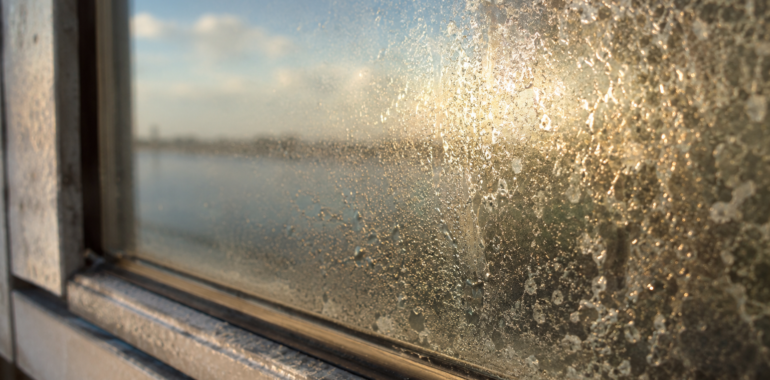
- Persistent haze that won’t clean off. If a proper wash doesn’t restore clarity, you may be looking at hard water etching, degraded glazing, or damage to the glass itself rather than simple dirt.
- Peeling or failed paint. Paint acts as the first line of defense for wood windows, so once it starts peeling in earnest, the wood underneath is exposed to New Orleans humidity with nothing protecting it.
- Broken panes or cracked glass. Even a small crack at the edge of a pane should be repaired quickly. Broken panes let in water and pests, and they put pressure on the glazing putty around the rest of the sash.
These same warning signs apply to historic doors and transoms, not just windows, since they’re usually built from the same wood and finished with the same paint and hardware.
Catching these early is what keeps a repair small. Ignore them, and a simple paint job and some fresh glazing putty can turn into a full sash rebuild or, worse, a window that can’t be saved and has to be replaced.
Maintaining Windows in French Quarter and Garden District Homes
New Orleans has an unusually diverse mix of historic architecture packed into a relatively small footprint. Creole cottages, shotgun houses, Greek Revival mansions, and ornate Victorian doubles all sit within a few miles of each other, and each brings its own window styles, from simple double hung windows to elaborate multi-pane sash with decorative millwork.
What they all share is exposure to the same brutal climate. High humidity, intense sun, salt air near the lake and river, and long hurricane seasons put real stress on wood, paint, and glazing every single year. That’s exactly why gentle, low-pressure cleaning methods aren’t just a nice-to-have here, they’re essential for keeping century-old windows functional. Our exterior cleaning guide goes into more depth on how that humidity and salt exposure specifically affects painted wood and glazing over time, if you want the fuller picture.
If your home sits in one of the city’s local historic districts, there’s another layer to keep in mind. Garden District and most other locally designated historic neighborhoods fall under the New Orleans Historic District Landmarks Commission, while French Quarter properties answer to the Vieux Carré Commission. Both bodies regulate exterior alterations to protect the character of these neighborhoods, and that includes rules around window replacement and repair, not just what paint color you choose. The HDLC’s own guidelines for windows and doors spell out when repair is required over replacement, which is worth knowing before you assume a rough-looking window needs to go.
Cleaning your windows properly, on the other hand, doesn’t require anyone’s permission, and it’s often the single best thing you can do to extend their life without triggering any preservation review at all.
Historic Windows Are an Asset, Not Just Glass to Clean
A well-maintained wood window on a hundred-year-old New Orleans home isn’t a maintenance headache, it’s a feature that adds real value and character your neighbors with vinyl replacement windows simply don’t have. Wood windows built from old cypress or heart pine can last for centuries with the right care, and that care starts with how they’re cleaned, not just how they’re repaired.
If your historic home’s windows are looking dirty, hazy, or you’ve spotted glazing putty that’s cracking or wood that feels soft to the touch, don’t wait for a small issue to become a big one. Our team knows how to give historic home window cleaning in New Orleans the gentle, careful approach it needs, and we’ll flag anything that looks like it needs a repair specialist rather than push a cleaning product on a problem cleaning can’t fix.
Whether it’s one stubborn sash or a whole house full of original glass, a careful wash can give tired old windows new life and help the rest of your restoration projects shine. Beautiful windows are one of the first things people notice about a historic New Orleans home, and they’re worth the extra care it takes to keep them that way.
Call us at 504-417-3318 or 504-334-8485 for a free estimate, or fill out the contact form on any page of our site and we’ll get back to you quickly. Have questions or historic window tips of your own? Leave a comment below, and check out our latest blog post for more New Orleans home care advice.