
You’ve probably seen the truck: a tall pole reaching up the side of a house, a hose running back to a tank, and a cleaner who never seems to touch a bucket or a squeegee. A few minutes later the windows are spotless. It looks like a magic trick, and the question most homeowners ask is the obvious one: how can plain water get windows that clean?
The short answer is that it isn’t plain water. It’s pure water window cleaning, a method that uses specially treated water to lift dirt and dry without leaving spots. This guide explains what the method is, why the water dries clean, how a cleaner reaches upper-floor windows from the ground, and how it stacks up against traditional cleaning if you’re deciding between the two. We’ll also share what it looks like for homeowners in Kenner, Metairie, and New Orleans.
What Pure Water Window Cleaning Actually Is
Pure water window cleaning is a method in which a cleaner scrubs windows with a soft brush while rinsing it with purified water. The brush loosens the dirt, and the purified water carries it away. There’s no soap, no spray bottle, and no squeegee dragging across the pane. Because the water itself is the cleaning solution, you’ll also hear it called the pure water cleaning system, water-fed window cleaning, or purified water window cleaning.
A typical setup has three parts. First comes a purification unit that strips dissolved minerals and other impurities from regular tap water. Next is a long pole that carries the purified water up to the work area. At the end of the pole sits a brush with bristles that agitate the windows while the water flows through. Trade suppliers describe the pole as water-fed because the water is pumped up through the brush, which is where the name water-fed pole comes from.
At Vivid Window Cleaning, we use a Pure Water system for residential and commercial jobs across the New Orleans area. It’s the method we reach for first because it cleans well, it’s gentle on your property and on your window frames, and it doesn’t depend on harsh chemicals.
The Parts of a Water-Fed Pole System
Understanding the pieces makes the whole thing less mysterious. A complete water-fed pole system includes a water tank or hose connection, a filter stage that does the purifying, a pump, a hose, and the pole itself. Many poles are telescopic poles, which means they extend in sections to reach different heights and retract for easy transport. The brush head is fitted with soft brushes designed to scrub windows and frames without scratching.
The filter is the heart of the pure water cleaning technology. Most units use a combination of filters, and the last stage typically uses resin that removes the remaining dissolved minerals from the water. Over time that resin wears out, so a good cleaner checks the water quality and replaces the filter media as needed. That upkeep is part of why professional window cleaners can count on the same results from job to job. Modern poles are made from aluminum, fiberglass, or carbon fiber, and the lighter carbon fiber poles help a trained operator control long reaches. A crew usually carries several poles in different lengths, because different poles suit different homes. A tired filter lets dissolved solids slip through, so quality equipment and a fresh filter system are what separate a spotless result from a mediocre one.
Why Pure Water Dries Without Spots
To understand why this method works, start with the water that comes out of your faucet. Tap water isn’t just H2O. It carries dissolved minerals, mostly calcium and magnesium, that it picks up as it moves through soil and rock. The U.S. Geological Survey explains that water hardness comes from dissolved calcium and magnesium, and that water collects those minerals as it moves through the ground.
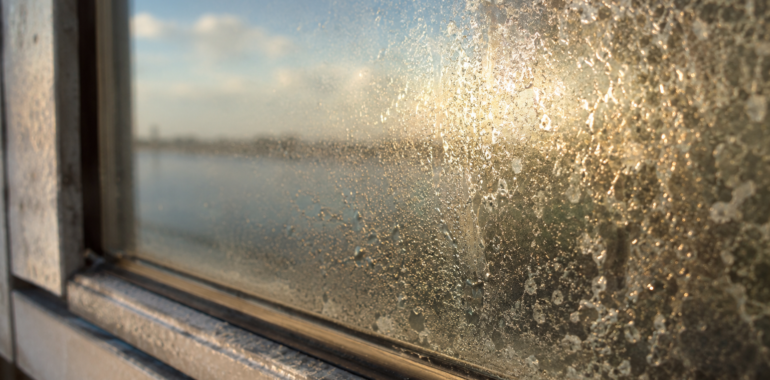
Here’s where windows come in. When ordinary tap water dries on glass, the water evaporates but the minerals stay behind. Those leftovers are the white dots and cloudy film you see on a car window or a shower door. Soap adds a second problem. Traditional cleaners often leave a thin film that can attract dust and dirt. A soapy film that holds on to dust is one reason windows can look dingy again within days.
Purified water skips both problems. Once the minerals and other impurities are removed, there’s nothing left to leave behind. The water rinses over the windows, carries the dirt particles away, and begins to dry naturally. Since pure water dries without residue, the windows can air dry with no wiping, and the windows come out clear instead of streaky. That’s the secret behind the spot-free look: the water leaves nothing on the surface.
What “Deionized” Really Means
You’ll often see the term deionized when people talk about this process. Deionization removes charged particles, called ions, from water. Those ions are the dissolved minerals and salts. Trade sources describe water with very low dissolved solids as the goal, with the lowest readings leaving virtually no residue on the glass. That’s why cleaners track their water with a meter that reads total dissolved solids, or TDS. The lower the reading, the less there is to leave a mark when the water dries.
The takeaway for a homeowner is simple. When a cleaner says the water is pure, they mean it’s been filtered until there’s almost nothing dissolved in it. That purity is what allows windows to be left wet and still dry crystal clear.
How Pure Water Reaches Upper-Floor Windows From the Ground
One of the biggest advantages of the method is height. Instead of climbing a ladder with a bucket, a cleaner extends a long pole and works from ground level. The pole carries water and the brush up to the window, so the cleaner can scrub and rinse a window several feet overhead without leaving the driveway.
How high can it go? That depends on the pole. Trade suppliers say shorter poles handle first-floor windows, while longer carbon fiber poles can reach well past the second story. Some vendors advertise fourth floor windows and higher. The practical limit is set by pole weight, wind, and how steadily the operator can control the brush, so treat the biggest advertised heights as best-case numbers. For most houses in Kenner, Metairie, and New Orleans, a pole system comfortably reaches every window on a two- or three-story home.
Safety Benefits of Staying on Solid Footing
Ladders are one of the riskiest parts of traditional window cleaning. Working from ground level cuts the time anyone spends climbing, and it’s easier on you too. You don’t have to worry about someone leaning a ladder against your gutters or stepping onto a roof. The safety benefits are one of the reasons many homeowners with upper-floor windows, tall entryways, or steep landscaping prefer the method.
With a water-fed pole, the cleaner can also reach awkward spots. Windows above a porch roof, behind shrubs, over a stairwell, or set back in a dormer can be hard to get to with a ladder. A pole lets the cleaner reach them safely. If you’ve ever wondered how to clean outside windows you can’t reach, our guide on cleaning outside windows you can’t reach walks through the DIY options and when to call a pro.
What a Pure Water Cleaning Visit Looks Like
Here’s what happens at a typical visit. The cleaner sets up the pure water system near the home and runs the hose to the work area. They start with the frames and sills, scrubbing away dust, cobwebs, and built-up grime with the soft brush. Then they move to the windows, working across each pane so every inch gets scrubbed. After the scrubbing, they rinse the whole window from top to bottom with the purified water, so the last thing touching the windows is clean water.
Then the water is simply left alone. The window is left wet, and it dries naturally with no wiping. Because there are nothing dissolved and no soap to leave marks, the windows dry clear with no streaks or smears. The cleaner moves on to the next window while the last one is left to dry naturally in the air, and by the time the job is complete, every pane has dried on its own.
Frames, Sills, and Screens Get Cleaned Too
One advantage people don’t expect is how thoroughly the method cleans the window frames. Traditional cleaning often focuses on the panes and leaves frames and sills dusty. With a water-fed brush, the frames and sills get scrubbed and rinsed in the same pass, so the dirt that normally runs down onto a freshly cleaned pane gets washed away. Screens can be cleaned by hand as part of the service on request, and that makes a visible difference in how the whole window looks.
Pure Water vs. Traditional Window Cleaning
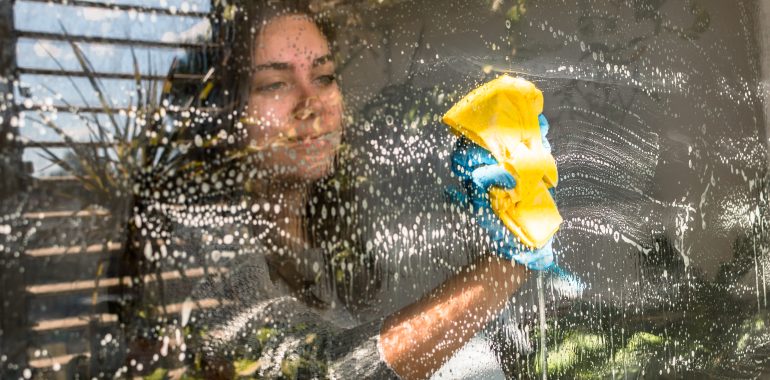
If you’re deciding between the two, it helps to see them side by side. Traditional window cleaning usually means a pail, a cleaning solution, a scrubber, and a squeegee. The cleaner wets the windows, scrubs, pulls the squeegee across in strips, and wipes the edges with a cloth. Done well, it works. Done in a hurry, it can leave streaks, drips, and missed corners. And it often means ladders for anything out of reach.
Pure water cleaning technology changes that equation in a few ways:
- No soap film. Traditional solutions can leave a sticky residue that holds debris against the window. Pure water rinses clean, so the surface stays cleaner for longer.
- No squeegee marks. Because the window air dries, there are no squeegee lines, no drips from the frame, and no towel lint at the edges.
- Fewer ladders. A pole system reaches upper floors from below, which improves safety and speeds up the job.
- An eco-friendly choice. The system relies on water instead of cleaning chemicals, which is easier on the environment, and it needs less effort from you.
- Less chemical use. This approach works without harsh chemicals, so there’s less worry about runoff on your plants and lawn, and it’s friendlier for kids and pets.
- Cleaner frames. The brush and rinse treat the frames and sills along with the windows.
There are times when traditional methods still make sense. A heavily stained or painted-over pane, or interior glass where water can’t be sprayed freely, may call for a hand scrub and squeegee. Skylights and stubborn spots sometimes need a little extra attention as well. A good professional will use the right tool for each situation, and many use both methods on the same visit. Our article on the best glass cleaners covers the traditional side if you’d like to compare.
Cost and Time: What Homeowners Should Expect
Cost depends on the number of windows, the height of your home, and how dirty the windows are. Pure water cleaning can reduce labor time because the cleaner isn’t moving ladders or drying every pane by hand, and that can help keep the price reasonable. Over the long run, windows that are cleaned without soap film tend to stay cleaner between visits, which can mean fewer service calls. A good cleaner will give you a free estimate before the work starts.
Common Myths About Pure Water Window Cleaning
Because pure water window cleaning looks so different from the bucket-and-squeegee routine, a few myths have grown up around it. Clearing them up can help you decide whether it’s right for your home.
Myth one: “Plain water can’t clean windows.” It’s true that tap water alone would leave spots. Purified water is a different story. With the minerals removed, the water rinses away dirt and dries clear, and the brush does the scrubbing. The pure water cleaning technology is what makes ordinary-looking water work so well on windows.
Myth two: “If there’s no soap, the windows can’t really be clean.” Soap isn’t what cleans the windows. Experienced window cleaners will tell you the same thing. Scrubbing and rinsing do the work, and soap can actually leave a film behind. Many homeowners notice that windows cleaned with pure water look clearer and stay cleaner longer, because there’s no film for dust to cling to.
Myth three: “Pure water systems are only for tall commercial buildings.” Pole systems do shine on tall buildings, but they work just as well on a one-story ranch home in Metairie. Pure water systems are used on single-family homes, condos, apartments, and storefronts, and the same system handles all of them.
Myth four: “It will flood my windows and leak inside.” A trained operator controls the flow of water, and a properly sealed window won’t leak. If you have older windows with worn seals or gaps, mention it before the appointment so the cleaner can adjust their approach and protect your interior.
How to Get Ready for a Window Cleaning Visit
A little preparation helps the cleaning process go smoothly, and it takes only a few minutes. Make sure the crew has clear access to the outside of the home, especially the areas under your windows. Move patio furniture, potted plants, and toys away from the walls, and let the cleaners know about anything fragile or any gates that stay locked. If you have pets, keep them inside during the visit so they stay safe and the crew can work without interruption.
Inside, you don’t need to do much. If you’d like interior windows cleaned, clear the sills and pull back curtains and blinds so the cleaners can reach the windows without moving your belongings. If you’re home, let the crew know where an outdoor water source is in case it’s needed, and make sure they have easy access to side yards and gates. It’s also worth walking around with the crew and pointing out any windows that bother you, such as a pane with stubborn spots or a window that’s hard to reach. That ten-minute conversation helps the cleaners give the best results and saves everyone time cleaning the same window twice.
What Pure Water Can’t Fix
Honesty matters here. Pure water cleaning is excellent for routine dirt, pollen, and grime, but it isn’t a cure-all. Mineral stains that have been baked onto glass for many years, paint overspray, and etching from long-term hard water exposure may need a different approach, such as a specialty cleaner or a hand scrub. A good window cleaner will tell you what to expect before starting and won’t promise results the method can’t deliver. If the spots on your windows have been there for years, ask for an assessment first.
Residential and Commercial Properties
Homeowners aren’t the only ones who benefit. A business with storefront windows, large entry windows, or upper-floor offices can use the same method to keep a clean, professional look with minimal disruption to customers. Because pole systems work from the ground, the crew isn’t blocking walkways with ladders, and the work can often be done before opening hours. The quality of the finish matters, since your windows are the first thing customers see.
Whether it’s a house, an apartment building, or a retail property, or even a small business office, the process is the same: scrub, rinse, and let the windows dry. If you manage several properties, consistent results from one visit to the next are a major benefit, because the system produces the same quality of clean each time. For commercial needs, see our pages on commercial window cleaning in New Orleans and commercial window cleaning in Metairie and Kenner.
Skylights, Screens, and Hard-to-Reach Glass
Skylights, high transoms, and glass above stairwells are among the hardest windows to reach, and they’re where a pole system earns its keep. A pole lets the cleaner reach skylights from the roofline or the driveway without standing on a steep surface. If you’re curious about skylight care, our guide on how to clean skylight windows covers the basics. Many homeowners spend years putting up with dirty skylights simply because nobody wants to climb up there, and that’s a job well suited to a trained crew.
Should You Clean Windows Yourself or Hire Professionals?
Plenty of homeowners start with a spray bottle and a roll of paper towels, and that’s fine for a first-floor window now and then. The trouble starts when you try to clean windows across a whole home. DIY cleaning often leaves streaks and missed spots, especially on large panes and upper floors, and it usually means dragging a ladder around the yard. Mineral spots and soap film are also hard to avoid with ordinary tap water and household cleaners.
Hiring trained professionals takes the effort and the risk off your plate. A professional crew brings the right equipment, the know-how to use it, and the experience to clean windows without damaging frames, seals, or landscaping. They’ll also notice problems you might miss, such as a cracked pane, a failing seal, or moisture between layers of glass, and let you know before small issues become expensive ones. For many homeowners, that peace of mind is worth the price of a visit.
If you do prefer to handle some windows yourself, there’s no shame in a hybrid approach. Many families keep up with the easy first-floor windows and hire a service for the upper floors and hard-to-reach corners. Clean windows make a home feel brighter and better cared for, and a little help goes a long way toward keeping them that way for many years.
How Often Should You Clean Your Windows?
Good window cleaners keep a schedule, and most homes do well with a visit every six to twelve months, and that’s what we recommend at Vivid. Homes near trees, busy roads, or construction may need it more often. In Southeast Louisiana, humidity can speed up buildup, which is why many of our customers choose a seasonal plan. If you’d like to know more about timing, see our article on the best temperature to wash outside windows.
Regular cleaning does more than keep your property looking pretty, and that’s true for a home or a rental. The pure water cleaning technology helps here too, since it cleans without leaving behind a film. Dirt and pollutants that sit on windows can wear them down over time, and a professional who visits regularly can spot problems like cracked seals or moisture between layers early. That’s a bonus you don’t get from a quick DIY wipe.
Pure Water Window Cleaning in Kenner, Metairie, and New Orleans
If you’re looking for window cleaning Kenner homeowners can count on, Vivid Window Cleaning serves Kenner, Metairie, New Orleans, and nearby neighborhoods with licensed and insured crews. We use our Pure Water system for residential jobs, from single-story ranch houses to multi-story homes with tricky glass. You can learn more about our Kenner window cleaning service, or see our pages for Metairie and New Orleans.
We also back our work with a 7-Day Clean Window Guarantee, which is one more reason homeowners feel comfortable trying the method for the first time.
Frequently Asked Questions
Is Pure Water Window Cleaning Safe for My Windows?
Yes. The water is gentle, and the brushes are soft, so the approach is designed to be safe for glass and frames. Because it doesn’t rely on chemicals, it’s also easy on seals and landscaping.
Will My Windows Look Streaky Because They Air Dry?
No. The windows dry clear because purified water leaves nothing behind. If you’ve seen spots on glass cleaned with tap water, that’s the dissolved solids drying. Pure water avoids it.
Do You Clean Interior Windows Too?
Yes. We clean the inside and outside of windows, along with sills, and we’ll clean screens by hand if you ask us to.
How Much Does It Cost?
It depends on the size of your home and the number of windows. We offer free estimates, so you’ll know the price before we begin.
Ready to See the Difference?
Pure water window cleaning gives most homeowners what they’ve always wanted: windows sparkling clean, tidy frames, and no ladders against the walls. If you’re in Kenner, Metairie, or New Orleans, call Vivid Window Cleaning at (504) 417-3318 for a free estimate. We’ll show you what professional cleaning can do for a spotless window, and why cleaning with pure water makes such a difference.